
From Saraswathi Hall to Idle Mansions: Rethinking Tamil Diaspora Investments in Northern Sri Lanka
A Legacy That Built More Than Structures
In the evolving social and economic history of Sri Lanka’s Tamil community, infrastructure has always played a deeper role than mere physical utility. It has been a reflection of identity, resilience, and collective purpose. Few institutions capture this reality as powerfully as Saraswathi Hall in Bambalapitiya.
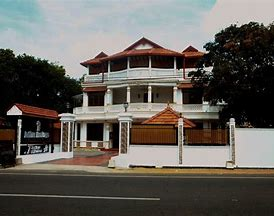
Built in the late 1950s, Saraswathi Hall was not designed as a single-purpose facility. It was conceived as a community asset, built with intent and utilised with vision. By day, it functioned as an extension of Colombo Hindu College, educating over 6,000 students across decades. By evening, it transformed into a cultural hub hosting music, dance, literary events, and public discourse.
More importantly, during times of crisis in 1958, 1977, and 1983, it became a refuge for displaced Tamil families. It demonstrated a critical principle: Infrastructure must serve people continuously, not occasionally.
Post-War Reconstruction: A Wave of Emotion-Driven Investment
Following the end of the civil war in 2009, Northern Sri Lanka entered a visible phase of reconstruction. The Tamil diaspora responded with remarkable commitment. Rebuilding homes, constructing wedding halls, and restoring land became symbols of identity, belonging, and emotional return.
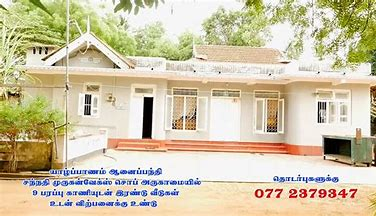
However, more than fifteen years later, a deeper reality has emerged: The scale of investment is high, but the economic impact remains limited.
The Twin Phenomenon: Wedding Halls and Idle Mansions
Across the Northern Province, two dominant trends define post-war development—wedding halls expansion with 60 to 100 halls across Jaffna and surrounding regions, primarily used on weekends.
Diaspora housing boom with 15,000 to 25,000 houses built or renovated, large, modern, and often unoccupied. At first glance, this reflects prosperity. In reality, it reflects underutilised capital.
The Hidden Reality: Underutilization at Scale
Both categories suffer from the same structural weakness. Wedding halls are idle 70 to 80 percent of the time. Houses are locked for most of the year. Limited local occupancy and minimal economic activity.
Entire neighbourhoods now contain high value assets with little functional use. These are inactive assets that do not contribute to economic growth.
The Scale of Diaspora Investment: A Critical Reality Check
Housing investment ranges from 1.2 billion to 3.75 billion US dollars. Wedding hall investment ranges from 12 million to 50 million US dollars. Land investment ranges from 300 million to 1 billion US dollars.
Total estimated diaspora investment post-war is between 1.5 billion and 5 billion US dollars. This is one of the largest private capital inflows into the region in modern history.
Core Problem: Capital Without Productivity
Despite this massive investment, income generation remains low, job creation is limited, local business growth is weak, and economic circulation is minimal. Northern Sri Lanka does not lack investment. It lacks utilisation.
Land Price Crisis: Development Without Inclusion
Diaspora driven demand has significantly increased land prices. Local families are priced out of land ownership, agricultural land is converted, and economic mobility is restricted. This creates development without inclusion where locals are excluded from the benefits of growth.
Social, Security and Environmental Implications
Vacant properties create security vulnerabilities and reduce community engagement. Inactive properties create risk, while active properties create stability and trust. Instead of viewing this as a failure, it should be seen as an opportunity. Even partial activation of these assets could transform the region.
Large-scale construction has led to deforestation, reduced green cover, rising temperatures, and environmental imbalance, contradicting sustainability values followed abroad.
Understanding the Psychology Behind Investments
Diaspora investments are driven by emotional connection, identity, and visible success. However, this leads to symbolic investment instead of productive investment.
Practical Conversion Pathways
Tourism and hospitality, education and housing, aged care, digital hubs, and small business activities can all be supported by these assets. If just 20 to 30 percent of assets are activated, thousands of jobs can be created, income levels will rise, SMEs will expand, and GDP will improve.
If even 20 per cent of the estimated 2 to 5 billion US dollar diaspora investment is activated, Northern Sri Lanka could experience a structural economic transformation within a decade.
A Call to Diaspora Investors
The focus must shift from ownership to utilisation, emotion to strategy, and status to sustainability.
From a policymaker’s perspective, key actions include tax incentives, flexible zoning, support for tourism and SMEs, and public private partnerships.
Conclusion: From Idle Assets to Economic Engines
Saraswathi Hall represents the past at its best. It succeeded because it was multi-functional, continuously used, community-driven, and adaptable. It was never idle.
The houses and halls across the North represent untapped potential. The diaspora has already built the foundation. Now comes the critical phase of activating that investment.
This is not a call for more investment. It is a call for smarter investment. The future will be defined not by how much is built, but by how effectively it is used.
—————————————————————————————————————-
சரஸ்வதி மண்டபத்திலிருந்து வெறிச்சோடிய மாளிகைகள் வரை: வட இலங்கையில் தமிழர் புலம்பெயர் முதலீடுகளை மறுபரிசீலனை செய்வோம்
— ராஜ் சிவநாதன்
கட்டிடங்களை மட்டுமல்ல, ஒரு சமூகத்தையும் கட்டிய பாரம்பரியம்
இலங்கைத் தமிழர் சமூகத்தின் சமூக மற்றும் பொருளாதார வரலாற்றில், கட்டமைப்புகள் வெறும் உடல் பயன்பாட்டை மட்டுமே பிரதிபலிக்கவில்லை. அவை அடையாளம், மனோதிடை, மற்றும் கூட்டுப் பொறுப்புணர்வின் வெளிப்பாடுகளாக இருந்தன. இந்த உண்மையை மிகவும் வலிமையாக எடுத்துக்காட்டும் நிறுவனங்களில் ஒன்றாக பம்பலப்பிட்டியிலுள்ள சரஸ்வதி மண்டபம் திகழ்கிறது.
1950களின் இறுதியில் கட்டப்பட்ட சரஸ்வதி மண்டபம், ஒரே நோக்கத்திற்காக வடிவமைக்கப்படவில்லை. அது சமூகச் சொத்தாக, நோக்கமுள்ள சிந்தனையுடன் உருவாக்கப்பட்டு, பார்வையுடன் பயன்படுத்தப்பட்டது. பகலில் அது கொழும்பு இந்துக் கல்லூரியின் விரிவாக்கமாக இருந்து, பல தசாப்தங்களாக 6,000க்கும் மேற்பட்ட மாணவர்களுக்கு கல்வி வழங்கியது. மாலையில் அது இசை, நடனம், இலக்கிய நிகழ்வுகள் மற்றும் பொது உரையாடல்களுக்கு மையமாக மாறியது.
அதிலும் முக்கியமாக, 1958, 1977 மற்றும் 1983 இனக்கலவரங்களின் போது, இடம்பெயர்ந்த தமிழ் குடும்பங்களுக்கு அது பாதுகாப்பான தஞ்சமாக இருந்தது. இதன் மூலம் ஒரு முக்கியக் கொள்கை வெளிப்படுகிறது: கட்டமைப்புகள் அவ்வப்போது அல்ல, தொடர்ச்சியாக மக்களுக்கு சேவை செய்ய வேண்டும்.
போருக்குப் பிந்தைய மறுசீரமைப்பு: உணர்ச்சி வழிநடத்திய முதலீட்டு அலை
2009ஆம் ஆண்டு உள்நாட்டுப் போர் முடிந்தபின், வட இலங்கை மறுசீரமைப்பின் தெளிவான கட்டத்திற்குள் நுழைந்தது. உலகத் தமிழர் புலம்பெயர் சமூகமும் அதற்கு ஆழ்ந்த பற்றுடனும் உறுதியுடனும் பதிலளித்தது. வீடுகள் மறுகட்டப்பட்டது, திருமண மண்டபங்கள் எழுப்பப்பட்டது, நிலங்கள் மீட்கப்பட்டது — இவை அனைத்தும் அடையாளம், சொந்தத் தொடர்பு மற்றும் உணர்ச்சிமிக்க மீளிணைப்பின் அடையாளங்களாக மாறின.
ஆனால், பதினைந்து ஆண்டுகளுக்கு மேலான காலப்பகுதியின் பின்னர், ஒரு ஆழமான உண்மை வெளிப்பட்டுள்ளது: முதலீட்டின் அளவு மிகப் பெரியதாக இருந்தாலும், அதன் பொருளாதார தாக்கம் மிகவும் குறைவாகவே உள்ளது.
இரட்டை நிகழ்வு: திருமண மண்டபங்களும் வெறிச்சோடிய மாளிகைகளும்
வட மாகாணத்தின் போருக்குப் பிந்தைய வளர்ச்சியை இரண்டு முக்கியப் போக்குகள் வரையறுக்கின்றன:
- யாழ்ப்பாணம் மற்றும் அதைச் சூழ்ந்த பகுதிகளில் 60 முதல் 100 வரை திருமண மண்டபங்கள் உருவாக்கப்பட்டுள்ளன; அவை பெரும்பாலும் வார இறுதிகளில் மட்டுமே பயன்படுத்தப்படுகின்றன.
- 15,000 முதல் 25,000 வரையிலான வீடுகள் கட்டப்பட்டோ புதுப்பிக்கப்பட்டோ உள்ளன; அவை பெரிதும் நவீன வசதிகளுடனும் இருந்தாலும், பெரும்பாலும் வெறுமையாகவே உள்ளன.
முதல் பார்வைக்கு இது செழிப்பின் அடையாளமாகத் தோன்றலாம். ஆனால் உண்மையில், இது பயன்பாட்டில் இல்லாத மூலதனத்தின் பிரதிபலிப்பாகும்.
மறைக்கப்பட்ட உண்மை: பரவலான பயன்பாட்டின்மை
இந்த இரண்டு வகை முதலீடுகளும் ஒரே அடிப்படை குறைபாட்டால் பாதிக்கப்படுகின்றன.
- திருமண மண்டபங்கள் 70 முதல் 80 சதவீத நேரம் வரை காலியாக இருக்கின்றன.
- வீடுகள் வருடத்தின் பெரும்பகுதியில் பூட்டப்பட்டே கிடக்கின்றன.
- உள்ளூர் குடியேற்றமும் பொருளாதாரச் செயல்பாடுகளும் மிகக் குறைவு.
இதன் விளைவாக, பல பகுதிகள் அதிக மதிப்புள்ள சொத்துகளைக் கொண்டிருந்தாலும், அவை செயல்பாடற்ற நிலையில் உள்ளன. பொருளாதார வளர்ச்சிக்கு பங்களிக்காத செயலற்ற சொத்துகளாக அவை மாறியுள்ளன.
புலம்பெயர் முதலீட்டின் அளவு: உண்மையான மதிப்பீடு
- வீட்டு முதலீடுகள்: 1.2 பில்லியன் முதல் 3.75 பில்லியன் அமெரிக்க டாலர் வரை
- திருமண மண்டப முதலீடுகள்: 12 மில்லியன் முதல் 50 மில்லியன் அமெரிக்க டாலர் வரை
- நில முதலீடுகள்: 300 மில்லியன் முதல் 1 பில்லியன் அமெரிக்க டாலர் வரை
மொத்தமாக, போருக்குப் பிந்தைய காலத்தில் வட இலங்கைக்குள் வந்த புலம்பெயர் முதலீடு 1.5 பில்லியன் முதல் 5 பில்லியன் அமெரிக்க டாலர் வரை மதிப்பிடப்படுகிறது. இது நவீன வரலாற்றில் அந்தப் பகுதிக்குள் வந்த மிகப்பெரிய தனியார் மூலதனப் பெருக்கங்களில் ஒன்றாகும்.
மையப் பிரச்சினை: உற்பத்தித்திறன் இல்லாத மூலதனம்
இந்த அளவிலான முதலீட்டின்போதும்:
- வருமான உருவாக்கம் குறைவு
- வேலைவாய்ப்புகள் மிகக் குறைவு
- உள்ளூர் வணிக வளர்ச்சி பலவீனம்
- பொருளாதாரச் சுழற்சி மந்தம்
வட இலங்கையில் முதலீடு இல்லை என்பது சிக்கலல்ல. பயன்படுத்தப்படாத முதலீடுதான் உண்மையான சிக்கல்.
நில விலை நெருக்கடி: உட்சேர்க்கையற்ற வளர்ச்சி
புலம்பெயர் தேவையால் காணிகளின் விலைகள் கணிசமாக உயர்ந்துள்ளன. இதனால்:
- உள்ளூர் குடும்பங்கள் நில உரிமையிலிருந்து விலகுகின்றன
- விவசாய நிலங்கள் மாற்றப்படுகின்றன
- பொருளாதார முன்னேற்ற வாய்ப்புகள் குறைக்கப்படுகின்றன
இதனால் “உட்சேர்க்கையற்ற வளர்ச்சி” உருவாகிறது — வளர்ச்சியின் பலன்களிலிருந்து உள்ளூர் மக்கள் ஒதுக்கப்படுகின்றனர்.
சமூக, பாதுகாப்பு மற்றும் சுற்றுச்சூழல் விளைவுகள்
வெறுமையாக உள்ள சொத்துக்கள் பாதுகாப்பு சவால்களை உருவாக்குகின்றன; சமூக பங்கேற்பையும் குறைக்கின்றன. செயலற்ற சொத்துக்கள் அபாயத்தை உருவாக்குகின்றன; செயல்பாட்டிலுள்ள சொத்துக்கள் நிலைத்தன்மையையும் நம்பிக்கையையும் உருவாக்குகின்றன.
இதனை தோல்வியாக பார்க்காமல், ஒரு வாய்ப்பாக பார்க்க வேண்டும். இந்த சொத்துக்களின் ஒரு பகுதியாவது செயற்படுத்தப்பட்டால், அது முழு பகுதியையும் மாற்றக்கூடும்.
பெருமளவிலான கட்டுமானங்கள்:
- காடழிப்பை ஏற்படுத்தியுள்ளன
- பசுமைப் பரப்பைக் குறைத்துள்ளன
- வெப்பநிலையை உயர்த்தியுள்ளன
- சுற்றுச்சூழல் சமநிலையை பாதித்துள்ளன
இவை, வெளிநாடுகளில் கடைப்பிடிக்கப்படும் நிலைத்தன்மை மதிப்புகளுக்கு முரணானவையாகும்.
முதலீட்டின் பின்னுள்ள உளவியல்
புலம்பெயர் முதலீடுகள் பெரும்பாலும்:
- உணர்ச்சி பிணைப்பு
- அடையாள உணர்வு
- வெளிப்படையான வெற்றிக் காட்சி
இவற்றால் இயக்கப்படுகின்றன. இதனால் உற்பத்தி நோக்கமுள்ள முதலீட்டிற்கு பதிலாக குறியீட்டு (symbolic) முதலீடு உருவாகிறது.
நடைமுறை மாற்றப் பாதைகள்
இந்த சொத்துக்களைப் பயன்படுத்தி:
- சுற்றுலா மற்றும் விருந்தோம்பல்
- கல்வி மற்றும் மாணவர் தங்குமிடம்
- முதியோர் பராமரிப்பு
- டிஜிட்டல் மையங்கள்
- சிறு தொழில்கள்
போன்ற துறைகளை வளர்த்தெடுக்கலாம்.
இந்த சொத்துக்களில் 20 முதல் 30 சதவீதம் மட்டுமே செயற்படுத்தப்பட்டாலும்:
- ஆயிரக்கணக்கான வேலைவாய்ப்புகள் உருவாகும்
- வருமானம் உயரும்
- சிறு மற்றும் நடுத்தர தொழில்கள் விரிவடையும்
- மொத்த உள்நாட்டு உற்பத்தி அதிகரிக்கும்
2 முதல் 5 பில்லியன் அமெரிக்க டாலர் மதிப்புள்ள புலம்பெயர் முதலீட்டின் 20 சதவீதம் கூட செயற்படுத்தப்பட்டால், வட இலங்கை ஒரு தசாப்தத்திற்குள் கட்டமைப்பு ரீதியான பொருளாதார மாற்றத்தை அனுபவிக்கக்கூடும்.
புலம்பெயர் முதலீட்டாளர்களுக்கான அழைப்பு
இப்போது கவனம் மாற வேண்டும்:
- உரிமையிலிருந்து பயன்பாட்டிற்கு
- உணர்ச்சியிலிருந்து திட்டமிடலுக்கு
- அந்தஸ்திலிருந்து நிலைத்தன்மைக்கு
கொள்கை அமைப்பாளர்களின் பார்வையில்:
- வரிச்சலுகைகள்
- நெகிழ்வான மண்டல ஒழுங்குகள்
- சுற்றுலா மற்றும் சிறு தொழில்களுக்கு ஆதரவு
- அரசு–தனியார் கூட்டாண்மைகள்
முக்கிய நடவடிக்கைகளாக இருக்க வேண்டும்.
முடிவு: செயலற்ற சொத்துகளிலிருந்து பொருளாதார இயந்திரங்களாக
சரஸ்வதி மண்டபம், கடந்த காலத்தின் சிறந்த எடுத்துக்காட்டாகும். அது வெற்றி பெற்றதற்கான காரணங்கள்:
- பல்நோக்கு பயன்பாடு
- தொடர்ச்சியான செயற்பாடு
- சமூக மையப்படுத்தப்பட்ட அணுகுமுறை
- தழுவிக்கொள்ளும் திறன்
அது ஒருபோதும் செயலற்றதாக இருக்கவில்லை.
வடக்கில் உள்ள வீடுகளும் மண்டபங்களும் இன்று பயன்படுத்தப்படாத திறனை பிரதிபலிக்கின்றன. அடித்தளத்தை புலம்பெயர் சமூகமே ஏற்கனவே உருவாக்கியுள்ளது. இப்போது அவசியமான கட்டம் — அந்த முதலீட்டை உயிர்ப்பிப்பதே.
இது மேலும் முதலீடு செய்ய வேண்டிய அழைப்பு அல்ல. புத்திசாலித்தனமான முதலீட்டிற்கான அழைப்பு.
எவ்வளவு கட்டப்பட்டுள்ளது என்பதல்ல எதிர்காலத்தை நிர்ணயிப்பது; எவ்வளவு பயனுள்ளதாக பயன்படுத்தப்படுகிறது என்பதே அதைத் தீர்மானிக்கும்.

Leave a Reply
You must be logged in to post a comment.